

 Share
Share 


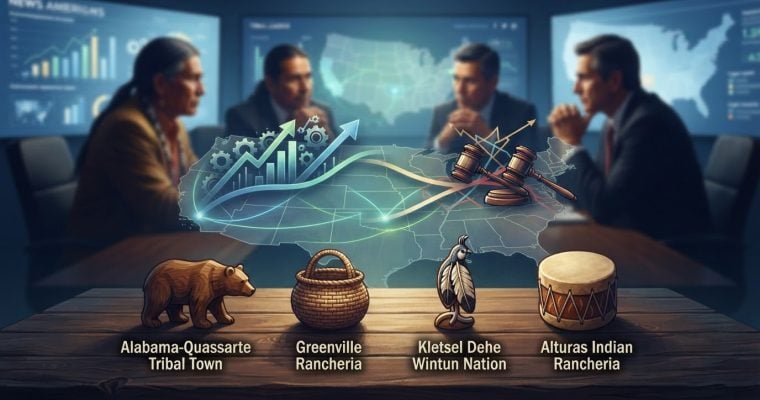
Kalshi said four more tribes will launch tribe-owned prediction market apps powered by its platform, expanding a tribal partnership strategy that is drawing sharp criticism from some Indian gaming leaders and adding to the broader legal fight around prediction markets.
The new partners are the Alabama-Quassarte Tribal Town of Oklahoma, the Greenville Rancheria of California, the Kletsel Dehe Wintun Nation and the Alturas Indian Rancheria. According to the source report, the tribes will own their apps, branding, marketing and usage, while Kalshi will provide the back-end infrastructure it says operates under federal law.
Tribal split deepens over prediction markets
The announcement follows Kalshi’s Sept. 18 partnership with the Tunica-Biloxi Tribe of Louisiana and has intensified a divide within Indian Country over whether prediction markets are a legitimate economic opportunity or an end-run around tribal gaming protections.
Critics argue prediction markets amount to illegal online gaming offered under the label of event trading and threaten tribal exclusivity under the Indian Gaming Regulatory Act of 1988. Victor Rocha, a prominent critic quoted in the report, said Kalshi is targeting tribes with little or no gaming revenue and warned the deals do not change the larger legal battle.
Mike Stopp, who supported the Alabama-Quassarte partnership, argued smaller tribes need additional ways to participate in the economy. He said the Alabama-Quassarte Tribe has fewer than 800 members and cannot operate its own gaming facilities within the Muscogee Nation’s boundaries in eastern Oklahoma. Stopp also said he has not seen data showing prediction markets are hurting traditional Indian gaming revenue.
Legal risk questions remain unresolved
The report said some tribal leaders are concerned that partnerships with prediction market operators could expose tribes to lawsuits if sovereign immunity is waived outside the usual Indian Gaming Regulatory Act framework. Rocha pointed to a Sept. 17 Commodity Futures Trading Commission letter that he said includes language creating litigation risk, though the report did not quote the clause.
Stopp said the Alabama-Quassarte Tribe weighed that risk and decided the economic upside was worth it. Still, several key details remain unclear, including what products the tribal apps will offer, when they will launch and the financial terms of the agreements.
Why Florida readers should watch this
The dispute has a Florida angle as well. The report noted that the Seminole Tribe of Florida filed a lawsuit in Broward Circuit Court on Thursday morning against DraftKings and CEO Jason Robins, alleging illegal sportsbook operations in the state.
For Florida players, the immediate takeaway is that the legal fight over prediction markets, online wagering and tribal rights is still expanding, not settling. Watch for developments in the Seminole case and in the ongoing challenges involving Kalshi and other prediction market operators.
—
Source: As reported by Amelia Schafer.